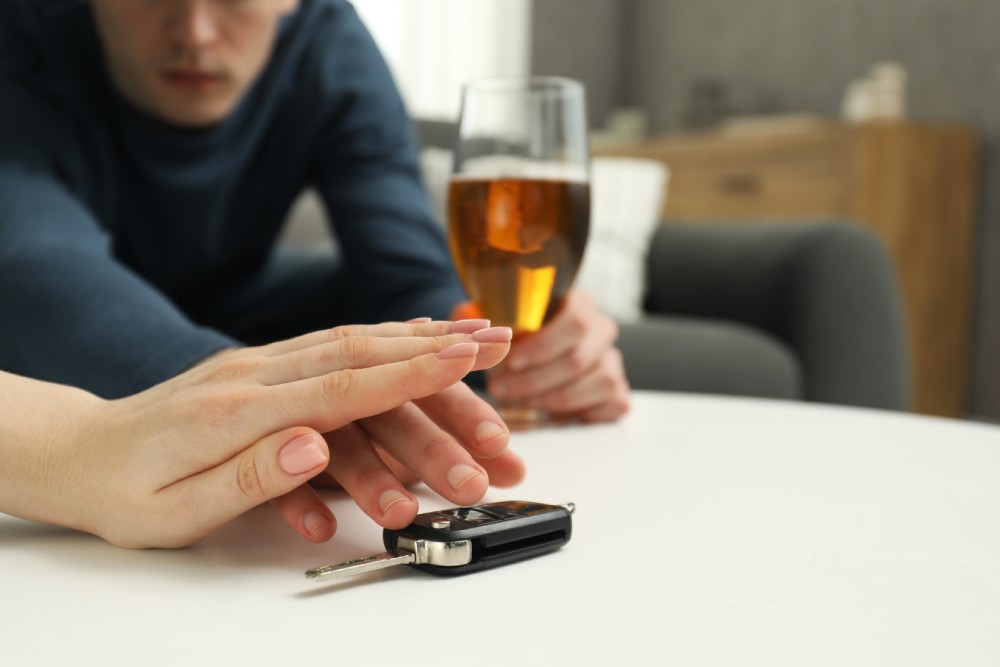
 Alcohol misuse does not always begin with a serious incident. Sometimes, it starts with drinking more often than planned, relying on alcohol to manage stress, or getting behind the wheel after convincing yourself that you have had only a little to drink. Recognizing these patterns early can help prevent a driving under the influence (DUI) incident and protect your health, relationships, and future. If drinking is becoming difficult to control, understanding the warning signs of alcohol misuse is an important first step toward making safer choices and finding the right support.
Understanding When Drinking Becomes a Problem
Alcohol misuse occurs when drinking begins to affect a person’s health, judgment, responsibilities, or relationships. It does not always look the same for everyone. Some people drink heavily on weekends, while others consume alcohol regularly to cope with anxiety, loneliness, work pressure, or emotional distress.
The important question is not simply how often someone drinks. It is whether alcohol is creating problems or becoming difficult to manage.
For example, you may notice that you drink more than intended, struggle to cut back, or feel uncomfortable facing stressful situations without alcohol. These experiences do not automatically mean you have an alcohol use disorder, but they can indicate that it is time to take a closer look at your habits.
Early recognition matters because alcohol related problems can grow over time. Addressing them before a serious consequence occurs may help you avoid legal trouble, injuries, and worsening mental health concerns.
Warning Signs of Alcohol Misuse You Should Not Ignore
Recognizing the signs of alcohol misuse can help you decide when to seek professional guidance. Although everyone’s experience is different, certain patterns deserve attention.
Drinking More Than You Planned
You might intend to have one drink but continue drinking for several hours. You may also promise yourself that you will cut back, only to return to the same routine.
Repeated difficulty controlling how much you drink can be a sign that alcohol is taking up more space in your life than you intended.
Using Alcohol to Cope With Emotions
Many people turn to alcohol when they feel anxious, overwhelmed, sad, or frustrated. While drinking may temporarily change how you feel, it does not resolve the underlying problem. Over time, relying on alcohol for emotional relief can reinforce unhealthy coping patterns.
If you regularly drink to fall asleep, calm your nerves, forget a difficult experience, or feel comfortable in social situations, consider discussing these patterns with a qualified professional.
Experiencing Problems at Home or Work
Alcohol misuse can affect concentration, reliability, finances, and relationships. You might miss work, argue more frequently with loved ones, or neglect responsibilities because of drinking or its aftereffects.
These consequences can be difficult to acknowledge. However, they offer useful information about how alcohol is affecting your daily life.
Continuing Despite Negative Consequences
Perhaps you have experienced a close call while driving, received warnings from family members, or noticed changes in your physical or emotional well being. If you continue drinking despite these concerns, professional support may help you understand what is keeping the pattern in place.
How Alcohol Misuse Can Lead to a DUI
A DUI can happen when someone underestimates the effects of alcohol on their ability to drive safely. Alcohol affects reaction time, coordination, attention, and decision making. It can also reduce a person’s ability to recognize their own impairment.
One common mistake is assuming that feeling alert means you are safe to drive. In reality, people may have impaired judgment even when they feel relatively normal.
Other risky beliefs include thinking that coffee, food, a cold shower, or a short nap will quickly eliminate alcohol’s effects. These measures do not reliably restore driving ability. Only time allows the body to process alcohol, and impairment can persist longer than expected.
The safest choice is simple: never drive after drinking. Arrange a sober driver, use a taxi or rideshare service where available, or stay somewhere safe until you can travel without putting yourself or others at risk.
However, preventing a DUI involves more than arranging transportation. If drinking frequently leads to risky decisions, it is worth examining the underlying habits and circumstances that make those decisions more likely.
The Connection Between Alcohol Use and Mental Health
Mental health concerns can influence drinking habits, and alcohol can make some of those concerns worse. Anxiety, depression, unresolved trauma, chronic stress, and sleep difficulties may contribute to alcohol misuse. At the same time, heavy drinking can disrupt sleep, affect mood, and interfere with healthy coping skills.
This relationship can become a cycle. Someone drinks to reduce anxiety, experiences poor sleep or increased distress afterward, and then drinks again to find relief.
Why Treating Both Concerns Matters
When alcohol misuse and mental health symptoms occur together, addressing only one concern may leave important needs unmet. A professional assessment can help identify whether both issues require attention and guide the development of an appropriate treatment plan.
Depending on individual circumstances, support may include counseling, behavioral therapies, medical care, peer support, or treatment for co occurring mental health conditions. The goal is to address the reasons behind drinking while building healthier ways to manage emotions and everyday pressures.
Finding the Right Alcohol Recovery Support
Seeking help does not mean you have failed. It means you are taking your health and future seriously. Alcohol recovery is not a single approach that works identically for everyone. Effective support should reflect a person’s drinking history, physical health, mental health, responsibilities, and personal goals.
Inpatient and Outpatient Treatment Options
Inpatient treatment provides a structured setting for people who need more intensive support and supervision. It may be appropriate for individuals with significant alcohol related difficulties or circumstances that make recovery especially challenging without a residential environment.
Outpatient treatment allows people to receive professional care while continuing to live at home and manage certain daily responsibilities. Services may include individual counseling, group therapy, recovery education, and ongoing treatment planning.
A qualified professional can help determine which level of care is suitable. For people who may experience alcohol withdrawal, medical guidance is particularly important. Withdrawal can be dangerous, and suddenly stopping alcohol after prolonged heavy use may require supervised care.
Building a Holistic and Individualized Recovery Plan
Recovery involves more than avoiding alcohol. It also means developing routines, relationships, and coping strategies that support long term well being.
Depending on individual needs and preferences, a recovery plan may include:
- Mental health counseling: Learn to manage stress, anxiety, and other emotional challenges without relying on alcohol.
- Healthy daily routines: Establish regular sleep, balanced meals, physical activity, and time for restorative activities.
- Supportive relationships: Connect with trusted friends, family members, support groups, or recovery professionals.
- Mindfulness and relaxation: Explore breathing exercises, meditation, or other healthy ways to respond to difficult emotions.
- Faith or personal values: For those who find meaning in spirituality, faith based support may provide encouragement, community, and a sense of purpose.
These approaches can complement professional treatment. The right combination depends on your circumstances and should support your overall health rather than replace necessary medical care.
Practical Steps You Can Take Before a DUI Happens
If you are concerned about your drinking, you do not need to wait for a legal or personal crisis to make a change.
Start by paying attention to your patterns. Notice when you drink, what you are feeling beforehand, and whether you regularly consume more than you intended. Honest reflection can reveal triggers that may otherwise go unnoticed.
Next, make a plan for situations involving alcohol. Decide how you will get home before attending an event, and never rely on your own judgment about whether you are sober enough to drive.
It is also important to speak with someone you trust or contact a qualified treatment professional. You can explain what has been happening, ask questions about treatment, and discuss your options without needing to have every answer in advance.
If you experience withdrawal symptoms or believe you may be physically dependent on alcohol, seek medical advice before stopping suddenly. Getting appropriate support can make the process safer.
Take the First Step Toward Safer Choices and Recovery
Alcohol misuse can gradually affect judgment, mental health, relationships, and personal safety. A DUI is one possible consequence, but you do not have to wait for an impaired driving incident to recognize that something needs to change.
By identifying warning signs early, understanding the connection between drinking and emotional well being, and exploring appropriate recovery options, you can begin building a safer and healthier future.
If alcohol is becoming difficult to control, consider reaching out for professional guidance. Confidential DUI focuses on the consequences of alcohol and drug related problems, and learning about available support can help you determine a practical next step. Whether you need an initial assessment, mental health support, or guidance about inpatient or outpatient treatment options, asking for help is a positive step toward change.
You do not have to face these concerns alone. Taking action today can help you protect your well being, reduce the risk of impaired driving, and move toward a life guided by healthier choices.