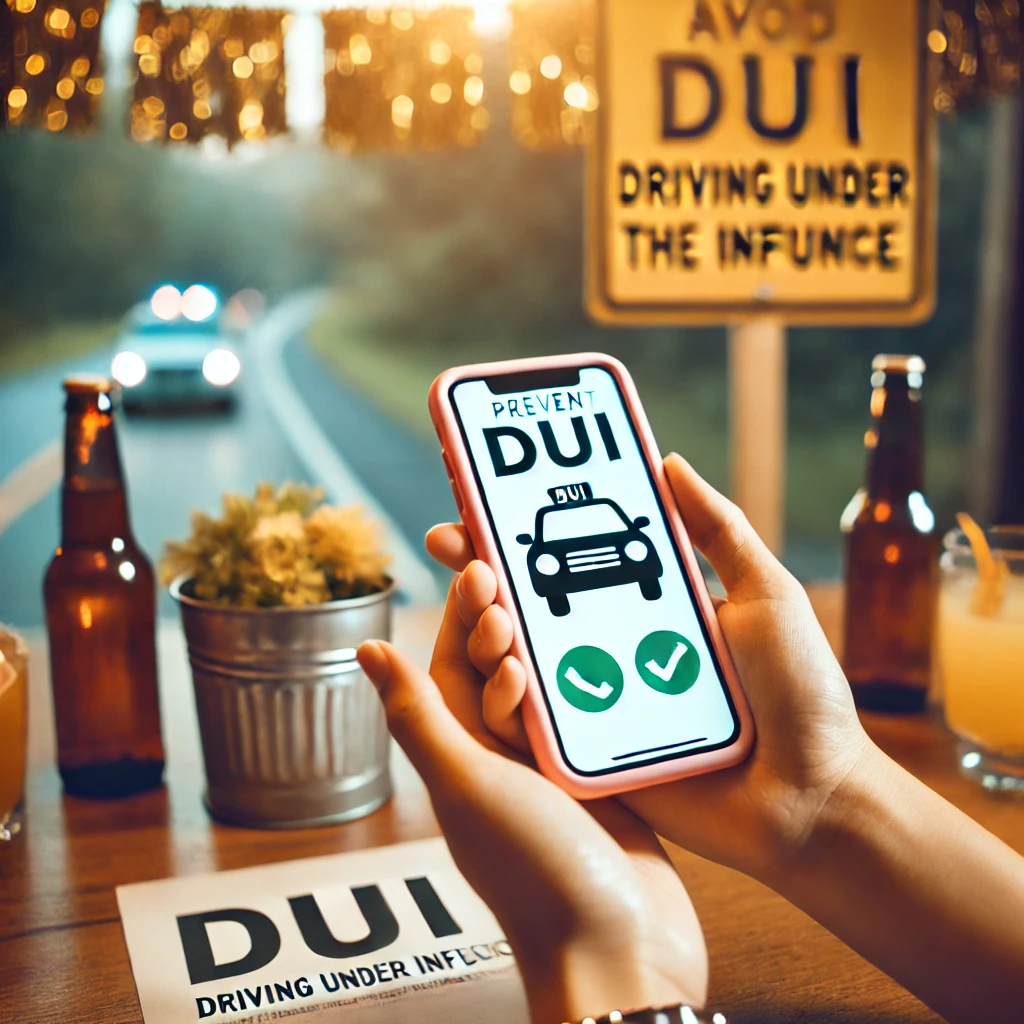
 Worrying about your drinking can be uncomfortable, especially when you begin to notice that alcohol is affecting your judgment, relationships, or daily responsibilities. If you have ever considered driving after drinking, even for a short distance, it may be time to take a closer look at your habits. Alcohol misuse can increase the risk of a driving under the influence (DUI) incident, but you do not have to wait for a legal problem or personal crisis to make a change. By recognizing warning signs, planning safer choices, and seeking appropriate addiction recovery support, you can protect yourself and others while working toward a healthier future.
Recognizing the Warning Signs of Alcohol Misuse
Alcohol misuse does not always look the same for everyone. Some people drink heavily on weekends, while others rely on alcohol to manage stress, anxiety, loneliness, or difficult emotions. The key is to recognize when drinking starts to interfere with your health, safety, or quality of life.
Common warning signs include:
- Drinking more than you intended or finding it difficult to stop.
- Making repeated promises to reduce alcohol consumption without lasting success.
- Using alcohol to cope with stress, sadness, anxiety, or sleep problems.
- Experiencing memory lapses or feeling unwell after drinking.
- Neglecting work, family responsibilities, or personal commitments because of alcohol.
- Continuing to drink despite relationship problems or other negative consequences.
- Taking risks, such as considering driving after drinking.
One warning sign alone does not necessarily mean you have an alcohol use disorder. However, repeated patterns deserve attention. Recognizing these concerns early can help you make informed decisions before drinking leads to more serious consequences.
How Alcohol Misuse Can Increase the Risk of a DUI
A DUI can have lasting consequences, including legal expenses, driving restrictions, employment difficulties, financial strain, and damaged relationships. More importantly, impaired driving can cause serious injuries or loss of life.
Alcohol affects the brain in ways that make driving dangerous. It can slow reaction times, reduce coordination, limit attention, and interfere with sound judgment. It may also make people overestimate their abilities.
Why It Is Easy to Underestimate Impairment
People who have been drinking may believe they are safe to drive because they feel alert or have consumed less alcohol than usual. Unfortunately, feeling sober does not mean that driving skills have returned to normal.
Coffee, food, cold showers, and fresh air do not quickly eliminate alcohol from the body. The effects of alcohol can also vary depending on factors such as the amount consumed, the time spent drinking, medications, and individual health.
The safest decision is to avoid driving after consuming alcohol. Arrange a sober driver, use a taxi or rideshare service where available, or stay in a safe place until you can travel without putting anyone at risk. If you have been drinking, do not rely on your own assessment of whether you are fit to drive.
Look Beyond the Immediate Driving Decision
Planning a safe ride is essential, but recurring situations in which alcohol makes driving seem acceptable may point to a deeper concern.
For example, you might routinely drink after work and then need to drive home. You may underestimate how much you have consumed at social events, or you may use alcohol to manage emotions before making important decisions.
Identifying these patterns helps you develop a more complete prevention plan. In addition to avoiding impaired driving, you can address the drinking habits and emotional triggers that increase your risk.
Practical Steps to Reduce Your Risk and Regain Control
If you are concerned about your drinking, there are several steps you can take now. You do not need to resolve every concern at once. Start with practical changes that protect your safety and help you understand your habits.
1. Be Honest About Your Drinking Patterns
Pay attention to how often you drink, how much you consume, and what usually happens before you reach for alcohol. Consider whether you drink more when you feel stressed, lonely, frustrated, or overwhelmed.
You can keep a private record of these patterns to identify possible triggers. If you frequently drink more than planned or struggle to cut back, consider discussing your concerns with a qualified health professional.
Honest reflection is not about blaming yourself. It is about understanding what is happening so you can decide what kind of support may help.
2. Make a Plan Before You Are Around Alcohol
Decisions are often harder when alcohol has already affected your judgment. Therefore, plan ahead whenever you expect to be in a situation where drinking may occur.
Arrange transportation before attending an event. If you are hosting friends, help them plan safe rides home. Avoid situations in which you might feel pressured to drive after drinking, and never assume that a short trip is safe.
You can also let someone you trust know that you are trying to change your drinking habits. Having support can make it easier to follow through on your decisions.
3. Find Healthier Ways to Manage Stress
If alcohol has become your main way to cope with difficult emotions, it is important to develop other strategies.
Depending on your needs, helpful options may include physical activity, regular sleep, relaxation exercises, time outdoors, creative activities, or conversations with supportive people. Counseling can also help you understand emotional triggers and develop healthier coping skills.
These strategies are not a substitute for treatment when alcohol dependence is present. Instead, they can complement professional care and help you build a more stable daily routine.
4. Seek Professional Guidance Early
You do not need to receive a DUI, lose a relationship, or experience a health crisis before asking for help. A healthcare professional or addiction specialist can assess your drinking patterns, discuss your concerns, and recommend appropriate next steps.
If you have tried to stop drinking but repeatedly return to the same habits, professional support may help you understand why. Early intervention can also help identify mental health concerns or other factors that contribute to alcohol misuse.
If you may be physically dependent on alcohol, consult a medical professional before stopping suddenly. Alcohol withdrawal can be dangerous and may require medical supervision.
Understanding Your Alcohol Treatment Options
Alcohol recovery is not a one-size-fits-all process. The right approach depends on your health, drinking history, home environment, mental health needs, and recovery goals.
Professional treatment can help you address the causes of alcohol misuse, reduce harmful patterns, and develop strategies for maintaining progress.
Inpatient Alcohol Treatment
Inpatient treatment provides a structured environment where individuals receive more intensive support. Depending on the program, care may include medical monitoring, individual counseling, group therapy, recovery education, and help developing a continuing care plan.
This level of care may be appropriate for people who need greater structure or whose circumstances make recovery difficult without a residential setting. Medical professionals can also determine whether supervised withdrawal management is necessary.
Outpatient Addiction Treatment
Outpatient treatment allows people to attend scheduled services while continuing to live at home. Depending on the program, services may include counseling, group sessions, relapse prevention education, and support for co-occurring mental health concerns.
For some people, outpatient care offers a practical way to receive treatment while maintaining work, family, or other responsibilities. Others may need a more intensive level of care before outpatient treatment becomes suitable.
A qualified professional can help determine which option best matches your needs.
Individualized and Holistic Recovery Support
Recovery involves more than avoiding alcohol. It also includes improving emotional well-being, strengthening relationships, and building routines that support lasting change.
An individualized recovery plan may incorporate mental health counseling, healthy lifestyle habits, peer support, mindfulness, and other approaches suited to your circumstances. For people who value spirituality, faith-based support may also provide a meaningful source of purpose, encouragement, and community.
When alcohol misuse occurs alongside anxiety, depression, trauma, or other mental health concerns, addressing both issues is especially important. Integrated care can help you understand how these challenges influence one another and develop healthier ways to respond.
How Mental Health Support Can Help Prevent Future Problems
Alcohol and mental health are closely connected. Some people drink to quiet anxious thoughts, manage sadness, or cope with painful experiences. Although alcohol may offer temporary relief, it can contribute to sleep problems, mood changes, and increased emotional distress.
This pattern can become difficult to break. Stress leads to drinking, drinking creates additional problems, and those problems create more stress.
Addressing the Underlying Causes of Drinking
Mental health treatment can help you identify the feelings, situations, and beliefs that influence your drinking habits. Through counseling, you may learn to recognize triggers, manage difficult emotions, set boundaries, and respond to stress without relying on alcohol.
Support can also help you rebuild confidence after a DUI or another alcohol-related setback. Instead of viewing the experience only as a source of shame, you can use it to identify what needs to change and take practical steps toward a safer future.
Recovery does not require perfection. It requires honest reflection, appropriate support, and a willingness to keep working toward healthier choices.
Take the Next Step Toward a Safer Future
Concern about your drinking is worth taking seriously, even if alcohol has not yet caused a major problem. Recognizing warning signs, planning safe transportation, understanding your triggers, and exploring professional treatment can reduce the risk of a DUI and help protect your long-term well-being.
If alcohol is becoming difficult to control, consider reaching out to a qualified addiction or mental health professional. Ask about available treatment options, including inpatient and outpatient care, counseling, and individualized recovery support. You can begin by explaining what concerns you most and learning which next steps may be appropriate for your situation.
Confidential DUI focuses on the consequences of drug and alcohol addiction. Learning about the risks associated with alcohol misuse can help you make informed decisions about safety and recovery.
You do not have to wait for a DUI to make a change. Seeking help today can be the first step toward healthier coping skills, safer decisions, stronger relationships, and a future that is no longer controlled by alcohol.