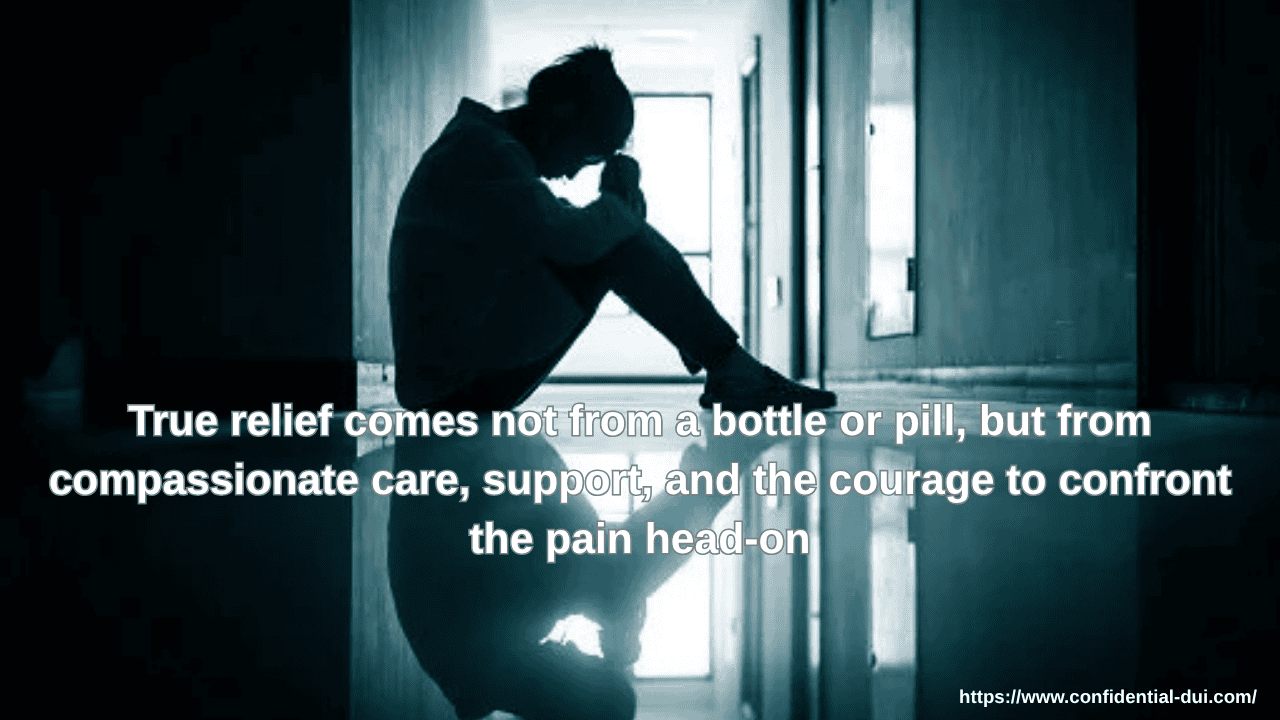
 For many struggling with depression, the pain can feel unbearable—an invisible weight pressing down day after day. In an attempt to find relief, some turn to alcohol, prescription drugs, or illicit substances, believing these temporary escapes might help ease the emotional burden. This behavior is known as self-medication, and while it may offer short-lived comfort, it often leads to deeper despair. The connection between substance abuse and depression is powerful and dangerous, creating a cycle that can quickly spiral into self-destruction.
Why People Self-Medicate
Depression is not just sadness—it’s a complex mental health condition that can cause a wide range of symptoms including fatigue, hopelessness, irritability, lack of motivation, and physical pain. These symptoms interfere with daily life and can make even simple tasks feel overwhelming. In the absence of proper mental health treatment, people may search for relief wherever they can find it.
Alcohol and drugs can temporarily mask these feelings. Depressants like alcohol may numb emotional pain, while stimulants may offer a fleeting sense of energy and euphoria. Prescription drugs such as opioids or anti-anxiety medications may calm internal distress. For some, these substances feel like a lifeline in dark times—but in reality, they are often the first step toward deeper psychological and physical damage.
The Illusion of Relief
What begins as a form of coping can quickly turn into dependency. The brain becomes accustomed to the substance’s effects, requiring larger doses to achieve the same level of “relief.” Over time, the individual may become addicted—not just to the substance, but to the temporary escape it provides.
However, instead of helping, substance use typically worsens depression. Drugs and alcohol disrupt brain chemistry, especially neurotransmitters like serotonin and dopamine, which regulate mood. As a result, symptoms of depression often intensify. The user becomes trapped in a cycle—using substances to ease depression, only to feel worse afterward, which leads to more use. This pattern is both emotionally and physically destructive.
The Double Burden: Co-Occurring Disorders
When a person suffers from both depression and substance use disorder, it’s called a co-occurring disorder or dual diagnosis. Unfortunately, this combination is more common than many realize—and far more difficult to treat than either condition alone. Many individuals with dual diagnosis are misdiagnosed or don’t receive adequate care, as treatment providers may focus on one condition while overlooking the other.
Breaking the Cycle
Recovery from self-medication requires more than willpower—it requires integrated treatment that addresses both depression and substance use at the same time. Therapy, such as Cognitive Behavioral Therapy (CBT), can help individuals develop healthier coping strategies. Medication, lifestyle changes, and support groups also play essential roles in long-term recovery.
Importantly, early intervention can prevent self-medication from turning into self-destruction. Encouraging loved ones to seek professional help and reducing the stigma surrounding mental health and addiction can make a life-saving difference.
Conclusion
Self-medicating may seem like a quick fix, but it often leads down a dangerous path toward worsening depression and addiction. Recognizing the signs, understanding the risks, and seeking integrated treatment are vital steps toward healing. True relief comes not from a bottle or pill, but from compassionate care, support, and the courage to confront the pain head-on.