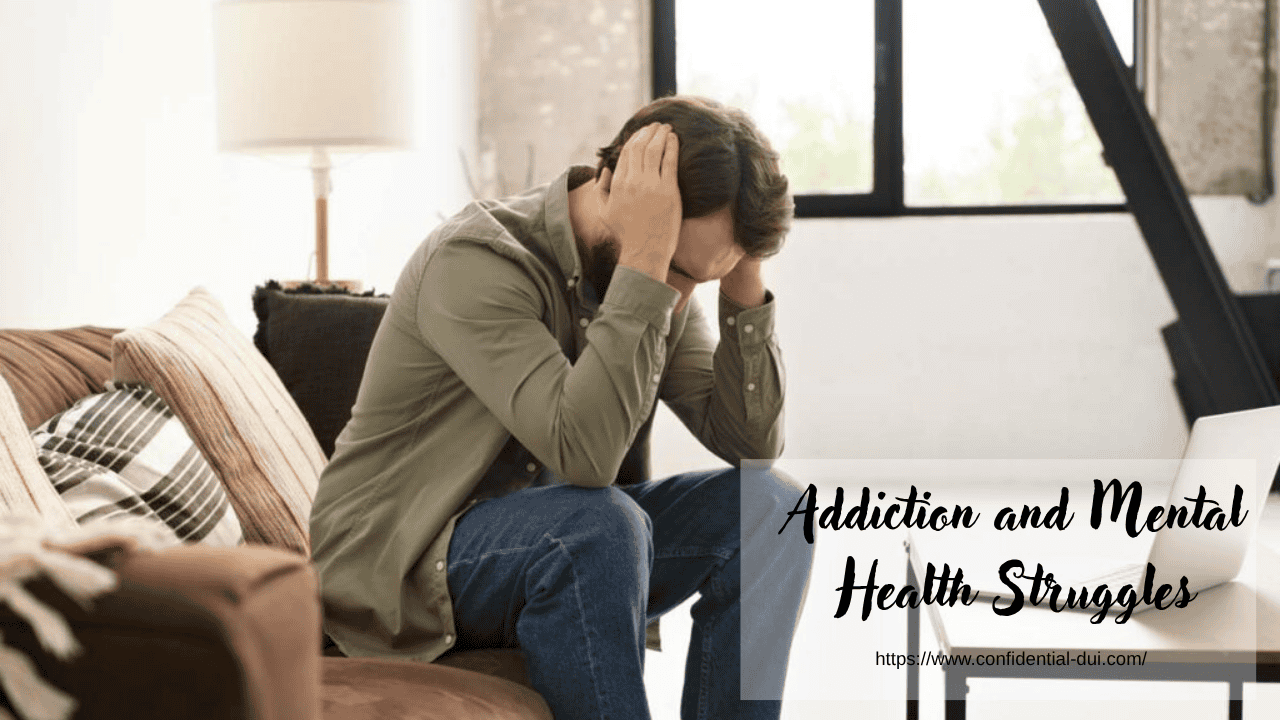
 Addiction and mental health challenges often go hand in hand, creating a cycle that can feel impossible to escape. For many, substance abuse begins as a way to cope with depression, anxiety, or trauma. For others, the use of drugs or alcohol triggers new or worsening mental health symptoms. Without the right treatment, this cycle can repeat endlessly, leaving individuals feeling trapped and hopeless. The good news is that with the right support, healing is possible, and breaking the chain is within reach.
How Addiction and Mental Health Interconnect
Substance use affects the brain’s chemistry, altering mood, judgment, and decision-making. Over time, these changes can contribute to the development of mental health conditions or intensify existing ones. Depression, anxiety, and PTSD are among the most common disorders linked to substance abuse. When someone struggles with both issues, it is called a co-occurring disorder or dual diagnosis.
The Vicious Cycle of Co-Occurring Disorders
When mental health symptoms go untreated, a person may turn to drugs or alcohol for relief. This temporary escape is often followed by a crash, which deepens emotional pain and leads to further substance use. The repeated highs and lows wear down both the mind and body, creating a dangerous loop that becomes harder to break over time.
Why Treating One Without the Other Does Not Work
Focusing solely on addiction or mental health while ignoring the other can leave gaps in recovery. If depression is not addressed, the individual may relapse in an attempt to manage their symptoms. Likewise, if addiction is left untreated, ongoing substance use will continue to fuel mental health struggles. Lasting recovery requires a comprehensive approach that treats both conditions together.
The Importance of Integrated, Personalized Treatment
Breaking free from the cycle of addiction and mental health struggles begins with professional help that addresses both issues simultaneously. At Confidential DUI, treatment is more than just symptom management. It involves understanding the whole person and creating an individualized plan that incorporates evidence-based therapies, holistic healing, and, when desired, faith-based support.
Inpatient and Outpatient Care Options
Some individuals benefit from the structure and 24/7 support of inpatient care, while others may find outpatient programs more suitable to their needs and responsibilities. Both options can provide counseling, group therapy, skill-building workshops, and wellness practices that restore balance to mind, body, and spirit.
Holistic Healing for Long-Term Wellness
Holistic approaches such as mindfulness, nutrition counseling, physical activity, and spiritual guidance can play a critical role in recovery. These methods not only help with sobriety but also improve overall mental well-being, giving individuals the tools they need to thrive beyond treatment.
Taking the First Step Toward Freedom
The cycle of addiction and mental health struggles can feel overwhelming, but it is not unbreakable. With the right combination of professional care, personal commitment, and community support, recovery is possible. If you or a loved one is caught in this cycle, now is the time to reach out. Confidential DUI offers compassionate, personalized treatment designed to help you reclaim your life and move forward with strength and hope.