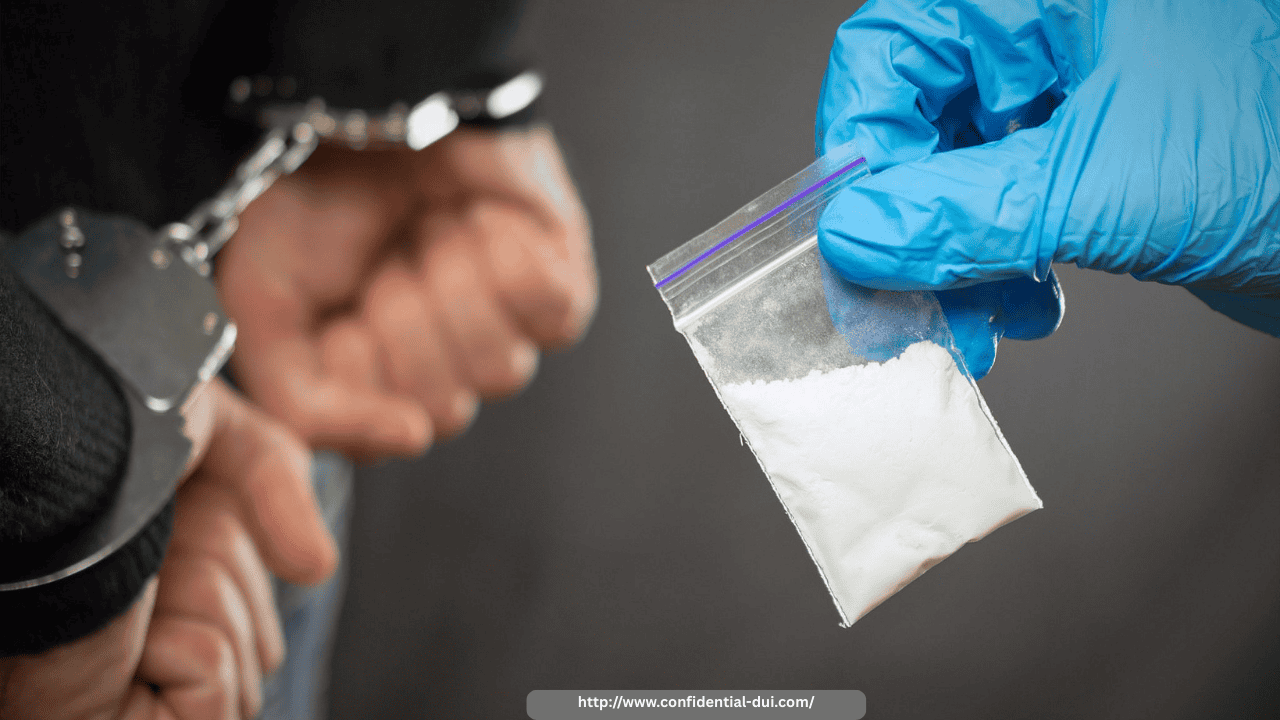
Substance abuse and crime are often closely linked, with drug and alcohol addiction driving individuals to commit illegal acts in order to feed their habit. The legal consequences of substance abuse are far-reaching and can have long-lasting effects on a person’s life, from criminal charges to imprisonment, fines, and a permanent criminal record. The relationship between addiction and crime is complex, but understanding the connection can help highlight the need for effective prevention, rehabilitation, and support services for those affected by substance abuse.
The Link Between Addiction and Crime
Addiction can significantly impair judgment and decision-making abilities, leading individuals to engage in illegal activities they might not otherwise commit. As the need for substances grows, individuals may resort to theft, burglary, drug trafficking, or other criminal acts in order to obtain money to fund their addiction. The desperation that comes with addiction often fuels impulsive and reckless behavior, increasing the likelihood of criminal involvement.
Substance abuse, particularly with drugs like heroin, methamphetamine, and cocaine, can also lead to aggressive behavior, escalating conflicts into violent encounters. Alcohol, too, is a major contributor to violent crimes, such as domestic violence, assault, and driving under the influence (DUI). In fact, studies show that alcohol plays a role in a significant percentage of violent crimes, contributing to impaired decision-making and emotional regulation.
Criminal Charges and Arrests
For individuals caught in the cycle of addiction, criminal behavior can lead to legal trouble and the risk of arrest. Many people addicted to drugs or alcohol commit theft or shoplifting to obtain money for substances, leading to criminal charges. Others may engage in illegal drug possession, distribution, or trafficking, which can carry severe penalties depending on the jurisdiction and the type of substance involved.
Driving under the influence (DUI) is another common legal consequence of substance abuse. DUI arrests result in criminal charges and can lead to penalties such as fines, license suspension, mandatory alcohol or drug counseling, and even imprisonment. In some cases, a DUI conviction can have lifelong consequences, affecting employment opportunities and insurance rates.
The criminal justice system often faces a significant challenge in dealing with individuals whose criminal behavior is rooted in addiction. While law enforcement may intervene to arrest offenders, many of these individuals need treatment and rehabilitation to address the underlying substance abuse issues. Unfortunately, addiction is frequently treated as a criminal issue rather than a public health issue, leading to a focus on punishment instead of recovery.
Incarceration and Long-Term Consequences
For individuals involved in criminal activity related to addiction, the legal consequences can include imprisonment. The criminal justice system may impose lengthy prison sentences for crimes such as drug trafficking, violent offenses, or repeat DUI offenses. Incarceration often compounds the difficulties faced by individuals with substance abuse disorders, as many prisons lack the resources and programs necessary to address addiction effectively.
The legal consequences of a criminal record can extend far beyond prison time. A criminal record can prevent individuals from securing stable employment, obtaining housing, or even voting in certain jurisdictions. This creates a cycle of disadvantage, where those affected by addiction struggle to reintegrate into society and become productive citizens. The stigma surrounding criminal records often leads to social isolation and emotional distress, making it more difficult for individuals to break free from their addiction and rebuild their lives.
Rehabilitation and Breaking the Cycle
While addiction-related crime is often met with punishment, there is increasing recognition of the need for rehabilitation and treatment programs. Diversion programs, drug courts, and community-based treatment options are designed to provide individuals with the support they need to address their addiction while avoiding the long-term consequences of imprisonment. These programs focus on rehabilitation rather than punitive measures, offering counseling, substance abuse education, and support to help individuals overcome addiction.
In many cases, individuals struggling with addiction can be rehabilitated and reintegrated into society as law-abiding citizens. Effective treatment programs that address both addiction and criminal behavior can help reduce recidivism rates and promote long-term recovery.
Conclusion
The legal consequences of substance abuse are far-reaching and can have a lasting impact on an individual’s life. From arrests and criminal charges to incarceration and the stigma of a criminal record, addiction often leads individuals down a path of legal trouble. However, by shifting the focus from punishment to treatment, society can help those affected by addiction break the cycle of crime and build a healthier, more fulfilling life. Addressing addiction as a public health issue and providing comprehensive rehabilitation programs is key to reducing the legal and social consequences of substance abuse.