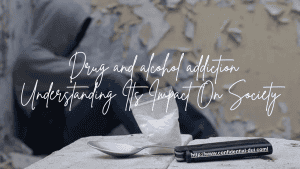
 Drug and alcohol addiction is not just a personal struggle—it is a public crisis that touches nearly every corner of society. While individuals and families bear the most immediate impact, the ripple effects of substance abuse extend far beyond the home. Communities across the world are grappling with the widespread consequences of addiction, from increased crime and overburdened healthcare systems to weakened economies and strained social services. Understanding the societal impact of addiction is critical to developing compassionate, effective responses.
Public Health and Safety Challenges
One of the most visible effects of addiction on society is the strain it places on public health. Emergency rooms are frequently flooded with overdose cases, withdrawal symptoms, and substance-related injuries. The opioid epidemic alone has contributed to thousands of deaths each year, and alcohol-related illnesses—such as liver disease, heart problems, and certain cancers—remain leading causes of preventable death.
Addiction also presents major safety concerns. Drunk or drug-impaired driving leads to fatal accidents and injuries. Public intoxication and drug-related behavior can cause disturbances and endanger the safety of others in the community. First responders, including police, firefighters, and EMTs, are often stretched thin, responding repeatedly to the same individuals suffering from addiction-related emergencies.
Economic Consequences
The economic impact of substance abuse is staggering. According to estimates, addiction costs societies billions of dollars each year in healthcare expenses, lost productivity, and criminal justice involvement. Employees struggling with addiction may be frequently absent, less productive, or more prone to workplace accidents. This leads to a decrease in overall efficiency and an increase in costs for businesses, insurance providers, and taxpayers.
Furthermore, government resources are often diverted to fund addiction-related services, such as rehabilitation centers, law enforcement operations, and public awareness campaigns. While these investments are crucial, they highlight the long-term economic burden that addiction places on communities.
Crime and Incarceration
Addiction is closely linked to criminal activity. Many individuals turn to illegal means—such as theft, drug trafficking, or fraud—to support their substance use. This leads to increased crime rates and heavier caseloads for police, courts, and correctional facilities. In fact, a significant portion of the prison population is incarcerated for drug-related offenses or crimes committed while under the influence.
This overreliance on incarceration instead of rehabilitation often fails to address the root cause of the issue. Without proper treatment, many individuals cycle in and out of the justice system, continuing to burden public resources.
Erosion of Community Strength
On a deeper level, addiction erodes the social fabric of communities. It tears apart families, weakens trust between neighbors, and diminishes civic engagement. Areas with high rates of addiction may experience increased homelessness, child neglect, and school dropout rates. Social services, including foster care systems and mental health providers, are overwhelmed trying to support those affected.
Community morale often suffers in areas hit hard by substance abuse. Fear, stigma, and hopelessness replace unity and pride. But this erosion can be reversed through comprehensive community-based responses that prioritize prevention, treatment, education, and support.
Conclusion
Addiction is not just a personal issue—it is a community-wide crisis that demands collective action. Its effects on public health, safety, economics, and social structures are profound. However, with increased awareness, compassionate policy, and investment in treatment and prevention, communities can begin to heal and rebuild stronger, healthier environments for all.