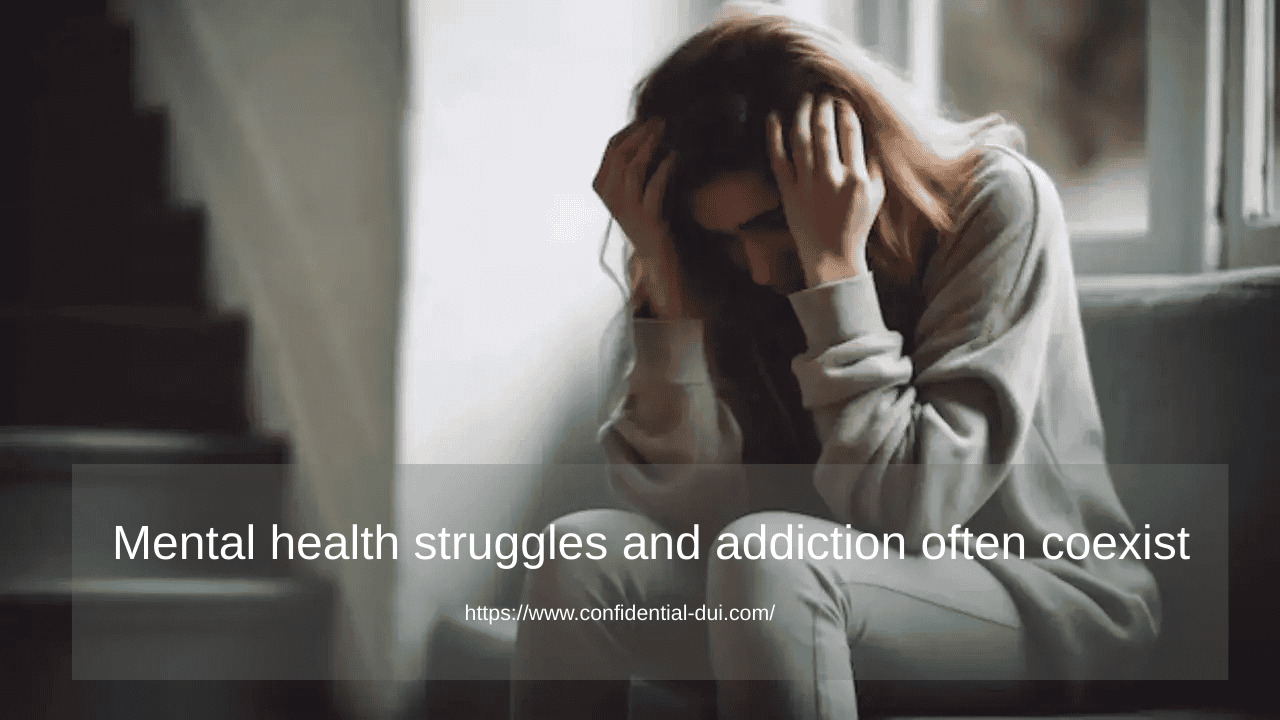
 Mental health struggles and addiction often coexist, forming a cycle that can feel impossible to break. Many individuals initially turn to drugs or alcohol to escape overwhelming feelings of sadness, anxiety, or stress. This temporary relief can quickly evolve into dependency, as the substance begins to dictate emotions, behavior, and daily life. Understanding the connection between mental health and addiction is essential for anyone seeking lasting recovery, and it is at the heart of the individualized care offered by Confidential DUI.
The Connection Between Mental Health and Addiction
Mental health disorders such as depression, anxiety, PTSD, and bipolar disorder can increase vulnerability to substance use. When untreated, these conditions often lead individuals to self-medicate with alcohol, prescription medications, or illicit drugs. While substances may provide a brief escape from emotional pain, they do not address the underlying mental health issues. Over time, dependency develops, creating a complex cycle where each condition exacerbates the other.
Why Self-Medication Leads to Dependency
Self-medication may feel like a coping mechanism at first, but repeated use of substances alters brain chemistry. Neurotransmitters that regulate mood, reward, and motivation are affected, leading to increased cravings and diminished emotional regulation. What begins as an attempt to feel normal can quickly spiral into addiction. Individuals often find themselves using more of the substance to achieve the same effect, deepening dependency and worsening mental health symptoms.
The Vicious Cycle of Co-Occurring Disorders
Co-occurring disorders, also known as dual diagnosis, are common when addiction and mental health issues overlap. Addiction intensifies emotional struggles, while untreated mental health conditions increase the likelihood of relapse. This creates a self-perpetuating cycle that can affect every aspect of life, including relationships, work, and overall well-being. Breaking this cycle requires treatment that addresses both issues simultaneously.
Integrated Treatment Approaches
Confidential DUI provides integrated care for individuals with co-occurring mental health and substance use disorders. Treatment plans are personalized to meet each patient’s needs, combining evidence-based therapies, counseling, and holistic interventions. Cognitive Behavioral Therapy, group therapy, and individualized counseling are complemented by holistic strategies such as mindfulness, exercise, nutrition guidance, and faith-based support. This comprehensive approach addresses both physical and emotional well-being, empowering patients to heal fully.
Inpatient and Outpatient Care Options
Depending on severity and personal circumstances, patients may benefit from inpatient or outpatient care. Inpatient programs provide structured support, 24-hour access to medical professionals, and a safe environment for intensive recovery. Outpatient programs allow individuals to maintain daily responsibilities while receiving consistent therapy, education, and support. Both programs emphasize a personalized approach that fosters long-term recovery and emotional resilience.
The Role of Holistic Healing
Holistic care plays a crucial role in addressing the mind-body connection. Mindfulness practices, physical activity, creative therapy, and spiritual guidance help individuals develop healthier coping mechanisms. Holistic strategies enhance emotional regulation, reduce stress, and support lasting recovery by addressing the underlying causes of both mental health struggles and addiction.
Taking the First Step Toward Recovery
The link between mental health and addiction is undeniable, but recovery is possible. By addressing both conditions together through compassionate, individualized care, individuals can move from numbness to empowerment and regain control over their lives. Confidential DUI provides the resources, guidance, and support needed to break free from the cycle of dependency and mental health struggles.
If you or a loved one is struggling with co-occurring disorders, reach out today. Compassionate help and expert care are available to guide you toward lasting recovery and a healthier, more fulfilling future.