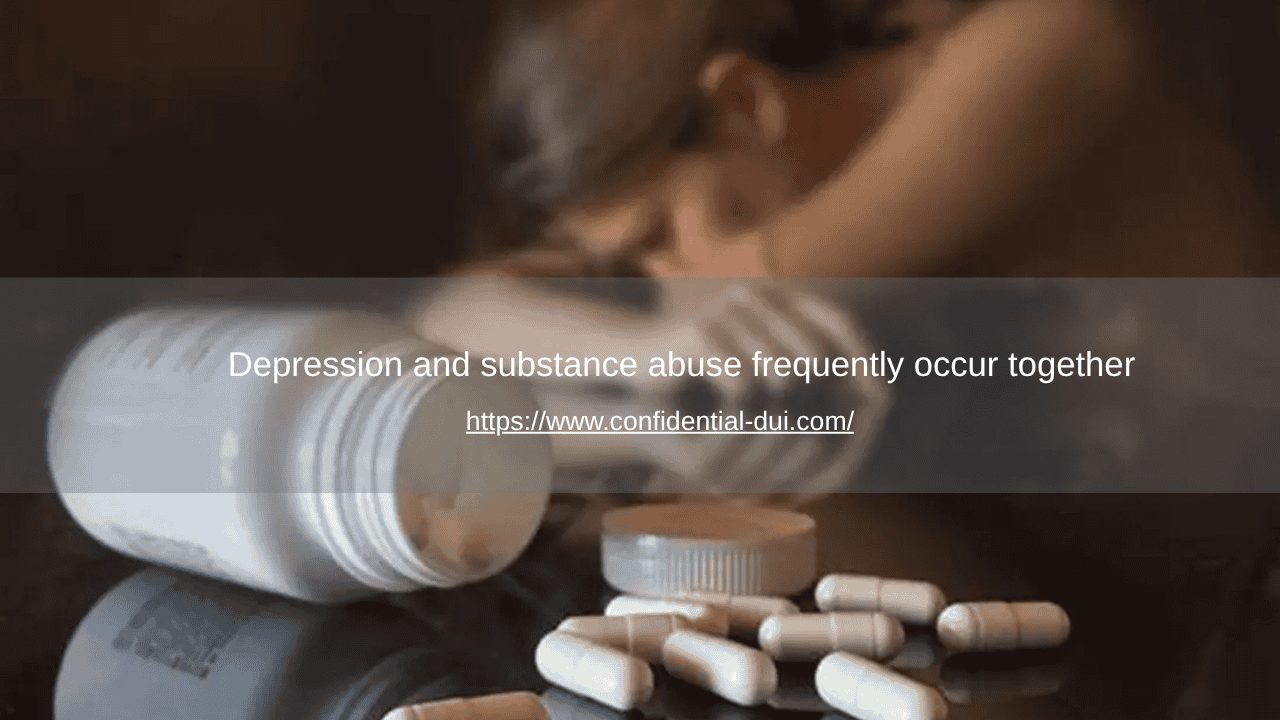
 Depression and substance abuse frequently occur together, creating a complex and challenging cycle. Many individuals struggling with depression may turn to alcohol or drugs as a way to cope with persistent feelings of sadness, anxiety, or hopelessness. While these substances may provide temporary relief, they often intensify emotional pain over time, leading to increased dependency and worsening mental health. Understanding why these conditions are linked is essential for effective recovery.
The Connection Between Depression and Substance Abuse
Depression is a mood disorder characterized by persistent feelings of sadness, loss of interest in activities, and difficulty managing daily life. When left untreated, it can increase vulnerability to substance use. Drugs and alcohol may initially appear to offer comfort by numbing emotional pain, but repeated use disrupts brain chemistry, ultimately making depression worse.
The Cycle of Self-Medication
Many people struggling with depression attempt to self-medicate. This may involve using alcohol to relax, stimulants to feel energized, or prescription drugs to cope with emotional distress. While these substances may temporarily improve mood, their effects are short-lived. As the body and brain adapt, tolerance develops, prompting increased use. The initial relief turns into dependence, and the underlying depressive symptoms often intensify, creating a self-perpetuating cycle that is difficult to break.
The Role of Co-Occurring Disorders
When depression and substance abuse coexist, it is referred to as a co-occurring disorder or dual diagnosis. These conditions interact in ways that complicate treatment. Depression can lead to increased substance use, while substance abuse can worsen or trigger new depressive episodes. Without addressing both issues together, recovery efforts may be incomplete, and relapse becomes more likely.
Signs Someone May Be Struggling
Recognizing the signs of co-occurring depression and substance abuse is critical. Common indicators include:
-
Persistent feelings of sadness, hopelessness, or anxiety
-
Increased use of alcohol or drugs to cope with emotions
-
Withdrawal from social interactions or activities once enjoyed
-
Difficulty maintaining daily responsibilities
-
Physical symptoms such as fatigue, sleep disturbances, or appetite changes
Early intervention is key to preventing the progression of these intertwined conditions.
Integrated Treatment Approaches
At Confidential DUI, we understand that treating depression and substance abuse separately is rarely effective. Our integrated treatment programs address both conditions simultaneously, combining mental health support with addiction recovery services. Evidence-based therapies, such as cognitive behavioral therapy (CBT) and trauma-informed counseling, are paired with holistic approaches like mindfulness, nutrition guidance, and physical wellness practices. For those seeking spiritual support, faith-based care is available as part of a personalized recovery plan.
Inpatient and Outpatient Care Options
Confidential DUI offers both inpatient and outpatient programs to meet the unique needs of each client. Inpatient care provides 24-hour support and a structured environment for intensive recovery, while outpatient care allows individuals to maintain daily responsibilities while participating in therapy and support programs. Both approaches prioritize a comprehensive strategy that addresses the mind, body, and spirit.
Breaking the Cycle for Lasting Recovery
Recovery from co-occurring depression and substance abuse requires a comprehensive, individualized approach. By addressing both conditions together, individuals can learn healthier coping mechanisms, regain emotional stability, and develop resilience against relapse. The journey toward recovery involves more than abstaining from substances—it requires healing the underlying mental health struggles that contribute to addiction.Seeking Help Is the First Step
Depression and substance abuse often reinforce one another, creating a challenging cycle to break. At Confidential DUI, our compassionate, individualized care helps clients confront both conditions, providing the tools and support needed for lasting recovery. If you or a loved one is struggling with depression and substance use, reach out today. Expert guidance and holistic treatment are available to help you reclaim balance, hope, and a healthier future.