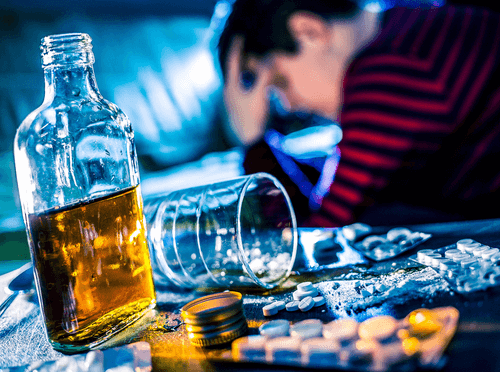
 Mental health challenges and addiction often intersect, creating a complex condition known as a dual diagnosis. Individuals facing depression, anxiety, trauma, or other psychological disorders may turn to drugs or alcohol as a coping mechanism. While substance use may provide temporary relief, it often exacerbates underlying mental health issues, creating a cycle that is difficult to break. Understanding how mental health influences substance abuse is critical for achieving lasting recovery.
What Is Dual Diagnosis?
A dual diagnosis, also called co-occurring disorder, occurs when someone experiences both a mental health condition and a substance use disorder simultaneously. This combination is common, yet it is frequently overlooked in traditional treatment programs.
Common pairings include:
-
Depression and alcohol dependence
-
Anxiety and prescription drug misuse
-
PTSD and opioid addiction
-
Bipolar disorder and stimulant abuse
Each individual’s experience is unique, and symptoms can interact in ways that intensify both the mental health struggle and substance use patterns.
The Cycle of Mental Health and Substance Use
People often begin using substances to manage emotional pain. For example, someone with depression may drink to temporarily lift their mood, or an individual with anxiety may use stimulants to feel more alert and in control. While these behaviors may feel helpful in the moment, they create a self-reinforcing cycle:
-
Substance use temporarily alleviates symptoms.
-
Brain chemistry adapts, requiring higher amounts for the same effect.
-
Emotional or psychological symptoms worsen as the body becomes dependent.
-
Reliance on substances increases, deepening both the mental health disorder and the addiction.
This cycle can continue for years without proper intervention, making integrated treatment essential.
Recognizing the Signs of Dual Diagnosis
Awareness is key to early intervention. Some warning signs that mental health is influencing substance use include:
-
Using drugs or alcohol to cope with emotional distress
-
Experiencing mood swings, irritability, or anxiety when not using
-
Withdrawal from family, friends, or social activities
-
Escalating substance use over time
-
Physical symptoms such as fatigue, insomnia, or appetite changes
Identifying these patterns early can prevent the progression of co-occurring disorders and improve the likelihood of successful recovery.
Why Integrated Treatment Is Essential
Treating substance use without addressing the underlying mental health condition often leads to relapse. Conversely, treating mental health without addressing addiction may leave individuals without effective coping tools. Integrated treatment programs address both simultaneously, ensuring that emotional, psychological, and physical needs are met.
At Confidential DUI, we provide comprehensive dual diagnosis care that combines evidence-based therapies such as cognitive behavioral therapy (CBT), trauma-informed counseling, and group therapy with holistic approaches like mindfulness, nutrition, and physical wellness practices. Faith-based options are also available for clients seeking spiritual guidance.
Personalized Care Through Inpatient and Outpatient Programs
Recovery is not one-size-fits-all. Confidential DUI offers inpatient programs for intensive, structured care and outpatient programs for those balancing daily responsibilities with treatment. Both approaches emphasize personalized planning, emotional support, and strategies for long-term relapse prevention.
Breaking the Cycle for Lasting Recovery
Understanding the connection between mental health and substance use is the first step toward meaningful recovery. With the right support, individuals can address the root causes of addiction, learn healthy coping mechanisms, and rebuild emotional resilience.
Take the First Step Toward Healing
Dual diagnosis can feel overwhelming, but recovery is possible with integrated, compassionate care. At Confidential DUI, we treat both mental health conditions and substance use disorders with a personalized, holistic approach. If you or a loved one is struggling with co-occurring disorders, reach out today to take the first step toward lasting recovery, emotional stability, and a renewed sense of hope.